
A custom gift packaging program enables brands to coordinate gift boxes, paper bags, greeting cards, inserts, and seasonal packaging materials under one cohesive packaging system. By aligning brand guidelines with the right box structures, materials, printing, finishing, and supporting components, brands can create a consistent packaging experience across corporate gifting, retail bundles, and promotional campaigns—without compromising product protection, functionality, or presentation.
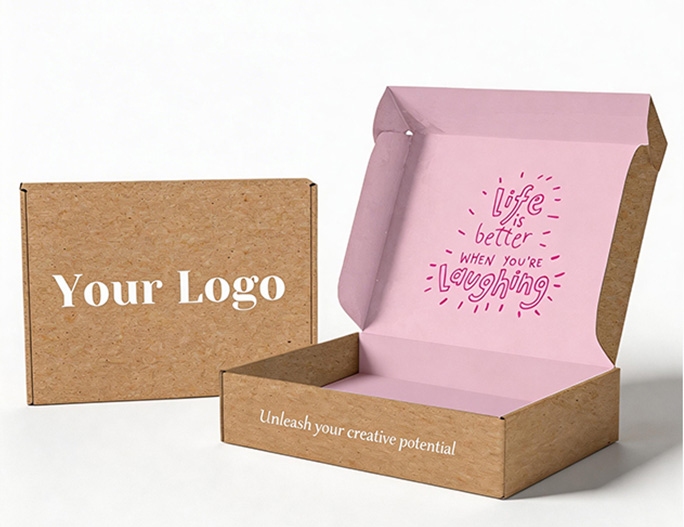
What a Custom Gift Box Program Includes
One Visual System Across Multiple Formats
A coherent packaging program begins with brand consistency, which includes the choice of colors, typography, logo usage, graphic guidelines, and finish. It is then possible to apply the same program to a box with a hard body, folding box, gift bag, and even a greeting card while maintaining brand consistency in various packaging types. This will ensure that seasonal and recurring campaigns will stay identifiable despite the variation in sizes.
Packaging design needs to be determined on the basis of product size, weight, fragility, orientation, protection requirements, and packaging process. This will allow to coordinate the structural decisions prior to manufacturing and optimize packaging efficiency, assembly process, storage efficiency, and shipping efficiency.
Combining Boxes, Bags, and Greeting Cards
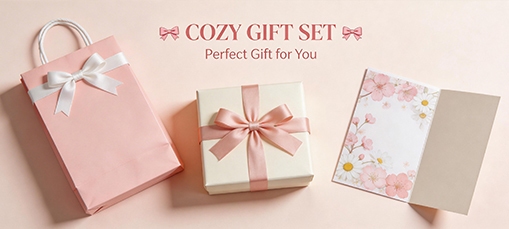
The gift box offers product protection and presentation, the paper bag offers an easy way to carry, and the greeting card offers a personal message. The combination of these components can form a gifting and unboxing experience for the client, employee, or retail customer.
Planning Custom Corporate Gift Packaging
Client and Employee Gift Sets
A corporate gift can include items that vary in terms of shape, weight, and fragility. A box with an insert or divider will help to ensure that individual items are safe from damage.
Seasonal and Event-Based Programs
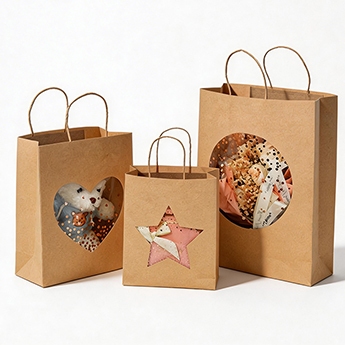
Custom festival gift bags, wine bags, greeting cards, and gift boxes can be developed as coordinated packaging formats for seasonal gifting and brand events. HangPeng’s product collection includes these packaging categories, supporting a coordinated program for seasonal gifting and brand events.
Building Retail Gift Box Bundles
Match Box Structures to Product Combinations
The products that are part of retail packaging can consist of the hero product, accessories, samples, or even the limited edition product. Folding cartons are best suited for lighter retail packages and give an option for economical flat pack storage, whereas the rigid setup box gives more strength and a more premium look.
Use Inserts, Dividers, and Windows Strategically
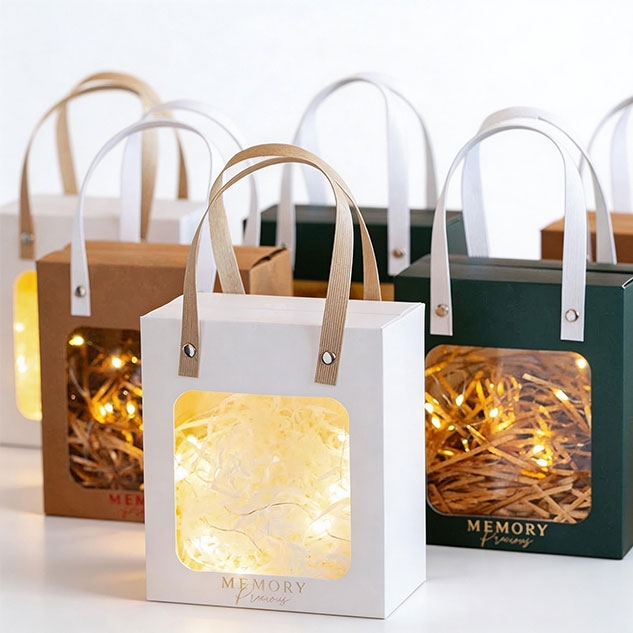
Inner trays and dividers create order and can guide the opening sequence. A die-cut window with a transparent film patch can provide product visibility while preserving structural performance when properly positioned within the dieline. Window openings and die-cut areas should be positioned with consideration for fold lines, seams, closure areas, and structural integrity, while preserving key artwork and branding elements.
Promotional Gift Packaging for Campaigns
Short Runs and Variable Artwork
Promotional campaigns may involve short lead times, multiple artwork versions, or limited production runs. Digital printing can support short runs and variable artwork without the need for conventional printing plates, making it suitable for selected low-volume packaging projects.
Consistent Branding Across Campaign Materials
A promotional package can include a custom box, paper carrier bag, product card, thank-you card, or event insert. Consistency can be maintained through standardized logo placement, color specifications, typography, dieline guidelines, finishing treatments, and artwork tolerances across different packaging formats. For example, the box may use a minimal logo treatment, while a card carries the campaign story.
HangPeng supports offset, flexographic, and digital printing, along with foil stamping, embossing, debossing, spot UV, lamination, die-cutting, window patching, and assembly. These options should be selected according to the campaign objective and product handling, not added automatically.
Choosing Materials and Finishes
Rigid, Folding, Kraft, and Specialty Papers
Rigid setup boxes and folding cartons have different structural, logistical, and cost considerations. Kraft paper can support a natural or kraft aesthetic, while white paperboard such as FBB can provide a clean surface for detailed graphics and premium finishing. Substrate selection should consider product weight, required stiffness, folding performance, print coverage, finishing requirements, storage conditions, and transportation needs.
Paper bag specifications vary by product structure and application. Selected bag formats may use paper in the 80–150 GSM or 80–250 GSM range, depending on bag dimensions, handle construction, load requirements, and customization level. These are product-specific references, not universal gift-box specifications. Board thickness, inserts, adhesives, and structure also influence structural and functional performance.
Foil Stamping, Embossing, Debossing, Spot UV, and Lamination
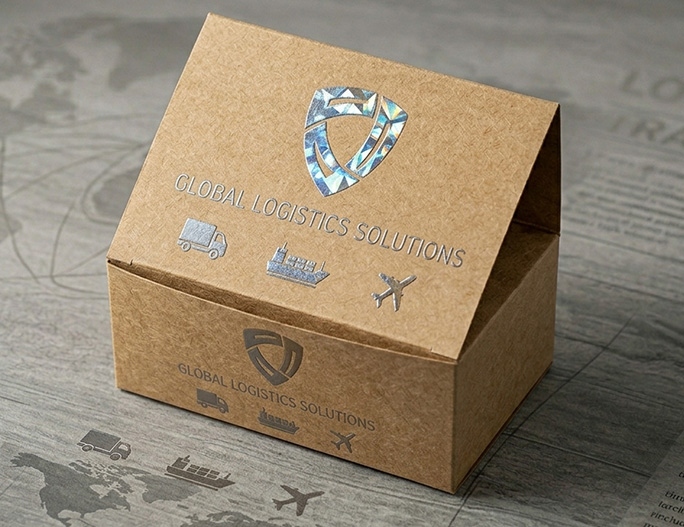
Artwork should be reviewed against the final dieline to verify bleed, safe zones, fold lines, glue areas, die-cut areas, and finishing locations. Critical text, logos, barcodes, and fine graphic details should be positioned away from fold lines, closure areas, and die-cut edges where distortion or abrasion may occur. A digital proof or physical prototype allows the team to review color accuracy, artwork alignment, structural dimensions, and finishing placement before production approval.
Balancing Customization With Practical Production
Digital Sampling and Physical Prototypes
A program benefits from a staged review. 2D dieline artwork and 3D structural mockups can be used to review dimensions, inserts, windows, artwork placement, and finishing locations before physical sampling. An optional physical pre-production sample then allows the team to evaluate opening and closure performance, product fit, structural stability, handling, and overall presentation.
Storage, Assembly, and Replenishment
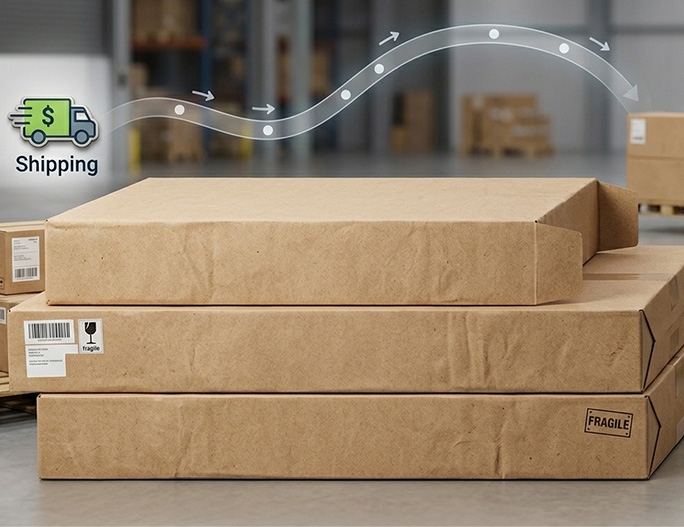
Packaging programs should account for where flat-packed or assembled packaging components are stored, who assembles them, and how frequently inventory needs to be replenished. Flat-packed folding cartons can reduce storage and transportation volume compared with pre-assembled rigid formats. The appropriate format depends on storage capacity, product protection requirements, assembly efficiency, labor requirements, shipping volume, and total packaging cost.
How HangPeng Supports Custom Gift Box Programs
Structural and Visual Development
colgarpeng can coordinate custom dimensions, paper and board selection, box structures, handles, windows, inserts, dividers, printing, and finishing according to product requirements and packaging objectives. Its packaging solution process connects product requirements with an appropriate packaging structure, whether the program needs a corporate gift box, a retail bundle, or a promotional set.
Printing, Finishing, and Assembly Coordination
Offset, flexographic, and digital printing can be combined with die-cutting, lamination, foil stamping, embossing, debossing, spot UV, window patching, box gluing, and assembly. Incoming paper inspection and in-process checks support consistency through production. HangPeng’s services can help move a program from sampling to finished packaging review.
Conclusión
Custom gift box packaging allows brands to coordinate corporate gifts, retail bundles, and promotional campaigns through a consistent packaging system. By coordinating boxes, bags, greeting cards, materials, inserts, printing, finishing, and storage requirements, a program can deliver consistent brand value without forcing every product into the same structure.
Explore HangPeng’s packaging services to build a custom gift box program suited to your products, campaign schedule, and packaging experience.
Preguntas frecuentes
Q: What is a custom gift box program?
A: It is a coordinated set of packaging formats, structures, artwork, and production rules used across products or campaigns. A program may include rigid or folding boxes, paper bags, greeting cards, inserts, dividers, and selected finishes. The goal is a consistent brand experience with enough flexibility for different product combinations and events.
Q: Can one packaging program support corporate gifts and retail bundles?
A: Yes. A shared visual system can connect a corporate gift box with retail bundle packaging while allowing different dimensions, inserts, openings, or handles. Corporate sets may prioritize organized presentation, while retail bundles may need shelf visibility and quick customer recognition. Sampling helps confirm each format works in its own setting.
Q: How does HangPeng coordinate boxes, bags, and greeting cards?
A: HangPeng can align dimensions, materials, artwork, printing, finishing, and assembly across packaging components. Digital 2D or 3D samples help review the system, while optional physical samples allow teams to test fit, handling, opening and closing performance, and presentation. The product, solution, and service stages can then be coordinated for the selected program.