
The right custom paper bags match the product’s weight, dimensions, handling conditions, and brand presentation. Paper type and GSM matter, but the handle attachment, bottom reinforcement, gusset, printing process, and surface finish determine whether a bag performs well in real use. A well-specified bag avoids unnecessary material while giving customers a comfortable, consistent way to carry the product.
What Makes Custom Paper Bags Fit for Purpose
Start With the Product and Use Environment
Begin with what the bag must hold and where it will be used. Apparel needs a wide opening and enough gusset depth for folded garments, while gifts, cosmetics, and bottled products may require a reinforced base and a handle that remains comfortable under a concentrated load. Bakery and café packaging adds another consideration: visibility, grease resistance, or heat sealing may matter more than a premium surface finish.
Evaluate the Whole Bag, Not GSM Alone
GSM measures the mass of paper per square meter; it does not directly describe thickness or finished-bag strength. Fiber composition, paper density, bag dimensions, fold lines, adhesives, handle patches, and bottom boards can all change performance. A higher GSM may increase stiffness, but it cannot compensate for a poorly matched handle or an unsupported base.
Custom Paper Bag Materials and Paper Weight
Compare Natural, White, and Recycled Kraft
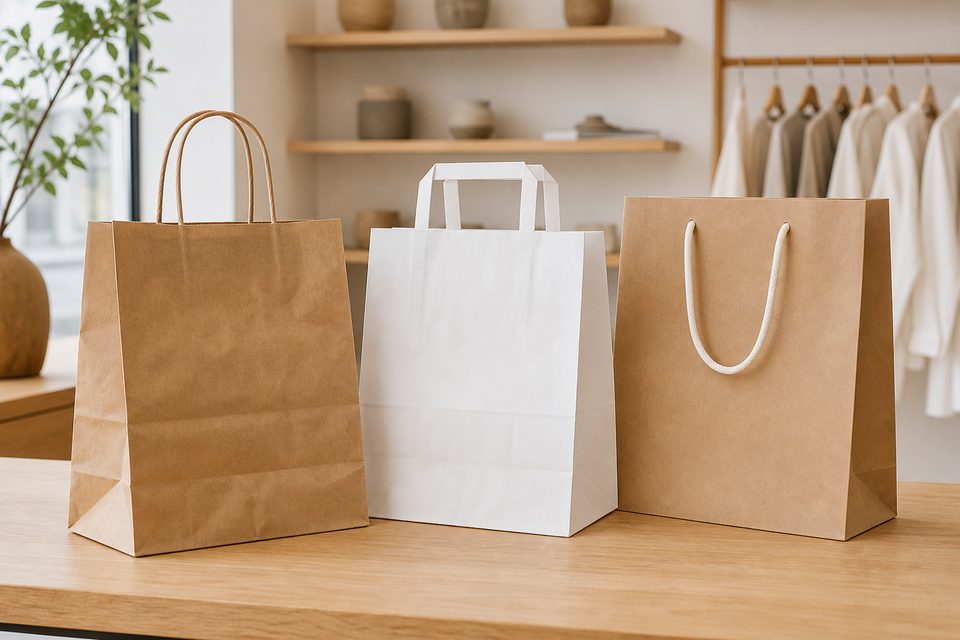
Natural kraft paper, typically produced from unbleached kraft fibers, provides a brown paper substrate with visible fiber texture. It is commonly selected for bakery packaging, retail bags, and brands seeking a natural visual appearance. White kraft provides a brighter base for color-led artwork, while recycled kraft can support a more visibly resource-conscious presentation when its sourcing and recycled content are documented.
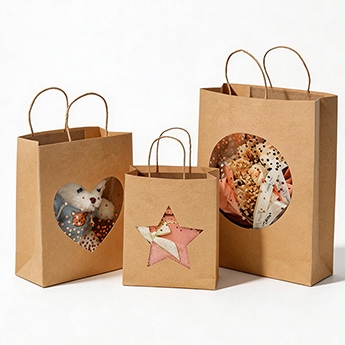
HangPeng’s kraft paper bag range includes window bags, food packaging bags, and lightly customized logo bags. Material selection should still follow the product’s load, exposure, and print requirements rather than a visual preference alone.
Match GSM to the Bag Structure
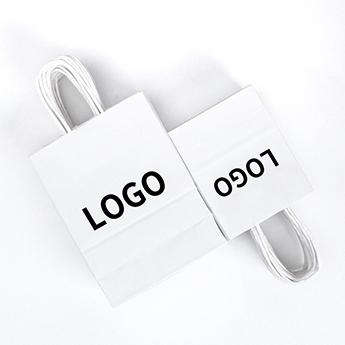
Project specifications list 80–150 GSM options for the Kraft Paper Bag With Window and 80–250 GSM options for the Light Customization With Printed Logo product. These ranges are product-specific, not a universal rule for every paper shopping bag. Final paper weight should be reviewed together with bag size, gusset depth, handle construction, bottom reinforcement, and the item being carried.
Handles and Structural Details
Choose Handles for Comfort and Brand Tone
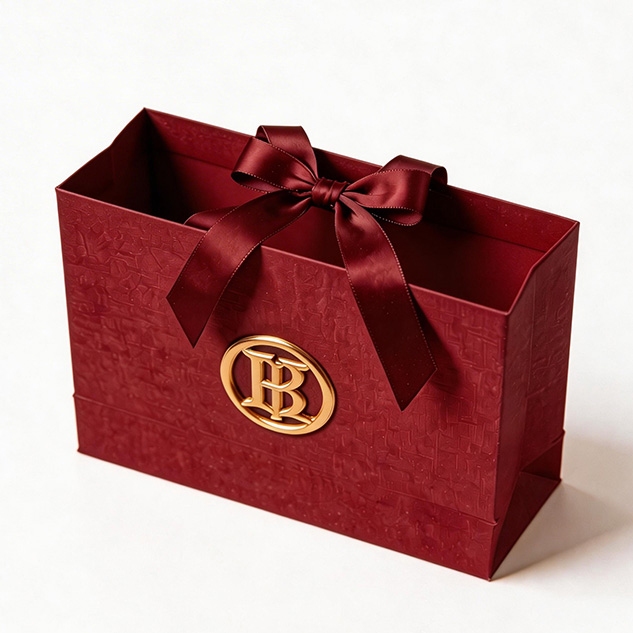
Twisted or flat paper handles support a paper-forward appearance and suit everyday retail applications. Cotton rope handles provide a premium tactile experience and are typically combined with reinforced handle patches to improve pull strength and carrying durability, while ribbons create a more decorative presentation for seasonal collections and special occasions. Die-cut handles are commonly used for lightweight applications because the handle opening transfers load directly to the paper panel and may require reinforcement for heavier products.
Use Gussets, Reinforcement, and Windows Deliberately
Side gussets let a flat bag expand around clothing, boxes, or takeaway items, while a reinforced bottom helps distribute concentrated weight. The base should fit the product instead of leaving excessive empty space that allows contents to shift. For bottled goods or heavier gift sets, the complete structure deserves testing before decorative finishes are finalized.
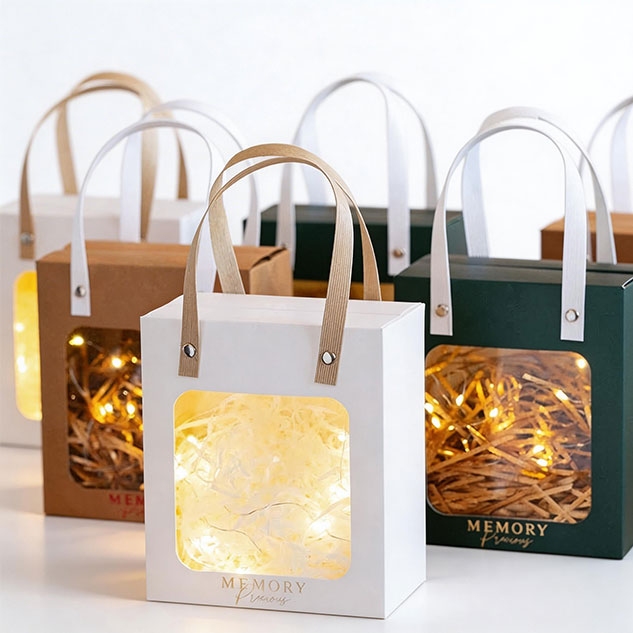
A transparent window can help customers see bread, pastries, coffee beans, gifts, or cosmetics without opening the package. HangPeng offers customizable window shapes, sizes, and printing for its kraft window bags. Because a window introduces another material, brands that prioritize simple recycling should also consider whether visibility is essential and how the finished structure will be disposed of.
Printing and Finishing Options
Select Printing for the Artwork and Paper
Offset printing is suited to detailed, color-rich artwork and consistent longer runs, while flexographic printing can support efficient repeated graphics. Digital printing is useful for prototypes, seasonal designs, and selected short-run programs because it avoids conventional plate making. On natural kraft, designers should account for the brown substrate, which can mute light colors and alter the appearance of photographs.
The HangPeng ODM and OEM process includes digital sample review, optional physical pre-production samples for complex work, and production stages covering printing, finishing, die-cutting, and bag making. Reviewing artwork on the intended paper is important because screen color cannot fully predict ink behavior, texture, or fold placement.
Apply Finishes With a Clear Purpose
Foil stamping can create a focused metallic detail, spot UV introduces selective gloss, and embossing or debossing adds tactile depth without relying only on color. Plastic laminations may affect recyclability more significantly than water-based coatings or varnishes, so the finishing method should be selected according to both appearance requirements and recycling considerations. A few intentional details usually provide a premium appearance more clearly than several competing finishes.
Sustainable Paper Packaging Without Vague Claims
Prefer Verifiable Material Choices
Useful sustainability decisions begin with specific materials and processes, not vague environmental claims. HangPeng lists FSC-certified paper, soy-based inks, water-based varnish, and biodegradable coating options subject to material specifications and applicable certification requirements. The final claim should match the exact paper, ink, coating, adhesive, handle, and window used in the completed bag.
Consider the Complete Packaging Structure
Mono-material thinking can simplify a bag by reducing unnecessary components, but performance still comes first. A paper handle or unlaminated surface may suit dry retail goods, whereas moisture-prone or greasy contents may need a barrier treatment. The most responsible choice balances product protection, material use, and realistic recovery options.
How HangPeng Supports Different Applications
Retail, Fashion, and Gift Packaging
Retail paper bags should preserve the presentation established inside the store. Garment bags benefit from suitable width and soft, comfortable handles, while festival and wine bags require proportions that keep the contents stable. HangPeng’s available paper bag, garment bag, festival gift bag, and wine bag categories allow the structure and finish to be matched to the product rather than forced into one generic format.
Bakeries, Cafés, and Specialty Products
Window kraft bags offer product visibility for baked goods, coffee, confectionery, cosmetics, and small gifts. Food packaging bags can be configured with grease-resistant, heat-sealable, and printable options, but the exact material should be confirmed for the food type and intended contact conditions. Natural kraft appearance can then support product presentation without replacing functional requirements.
How to Compare Custom Paper Bag Options
Check Samples Against Real Use
Compare samples with the intended product inside, not empty on a desk. Check carrying comfort, handle alignment, base stability, gusset opening, fold recovery, print registration, color, odor, and surface durability. If the bag includes a window, confirm that it presents the product clearly without weakening the panel.
Balance Design, Durability, and Simplicity
The optimal solution depends on the thickest paper or the most decorative finish. It is the bag that protects the product, feels appropriate in the customer’s hand, expresses the brand clearly, and avoids unnecessary components. HangPeng can support this comparison through material consultation, digital modeling, sampling, printing, finishing, and structural development.
Conclusion
Well-designed custom paper bags turn a functional packaging solution into a reliable part of the product experience. When paper type, GSM, handles, reinforcement, printing, and finishes are evaluated together, the result can be stronger, easier to use, visually consistent, and more credible in its material claims. HangPeng’s value lies in connecting those decisions across retail, gift, fashion, food, and specialty packaging applications.
Explore HangPeng’s custom paper bag solutions to find a structure that fits your product and brand.
FAQ
Q: What paper is best for custom paper bags?
A: The best paper depends on the intended load, appearance, printing, and handling environment. Natural kraft suits understated graphics and artisan positioning, while white kraft provides a brighter surface for color artwork. Recycled kraft may support documented material goals. The final choice should be tested with the handle, gusset, base, and any coating or window.
Q: How should a business choose GSM for paper bags?
A: Use GSM as one input, not the only strength measure. Start with bag dimensions and the heaviest expected contents, then review paper composition, handle attachment, reinforcement, and bottom construction. HangPeng project specifications list different GSM ranges for window bags and lightly customized logo bags, so the appropriate value depends on the exact product structure.
Q: Which handle type works best for retail paper bags?
A: Twisted and flat paper handles suit everyday retail and a paper-forward appearance. Cotton cords feel softer for apparel and gift packaging, while ribbons create a decorative finish for seasonal or premium presentations. Die-cut handles keep the bag compact. Comfort, attachment reinforcement, handle length, and expected load should be evaluated together before selection.
Q: Can custom paper bags use sustainable materials?
A: Yes. Available choices can include FSC-certified paper, recycled kraft, soy-based inks, water-based varnish, and selected biodegradable coatings. However, the environmental claim should reflect the complete bag, including adhesives, handles, windows, and laminates. A simpler paper-based structure may be easier to recover, but local recycling and disposal conditions still determine the practical outcome.