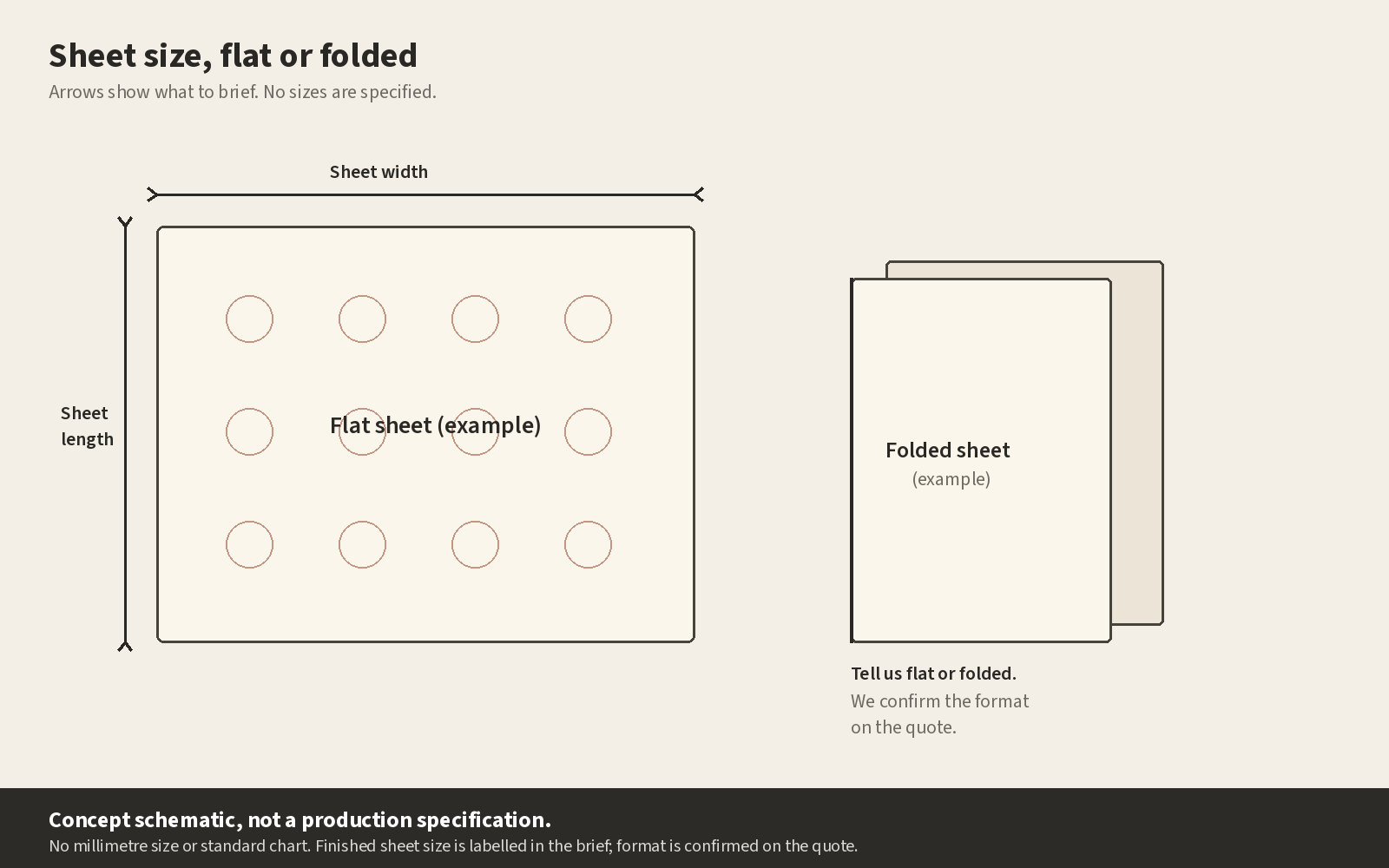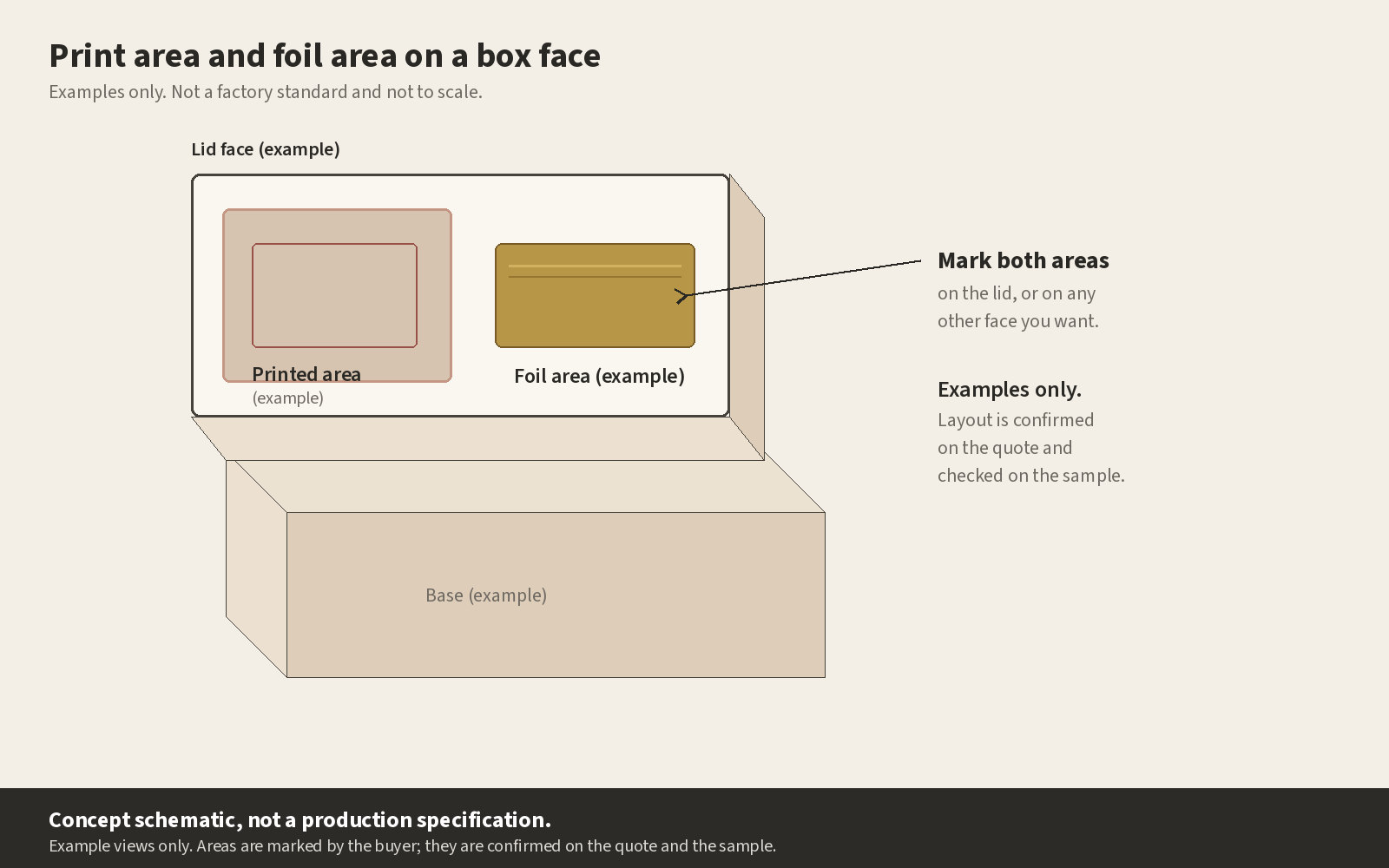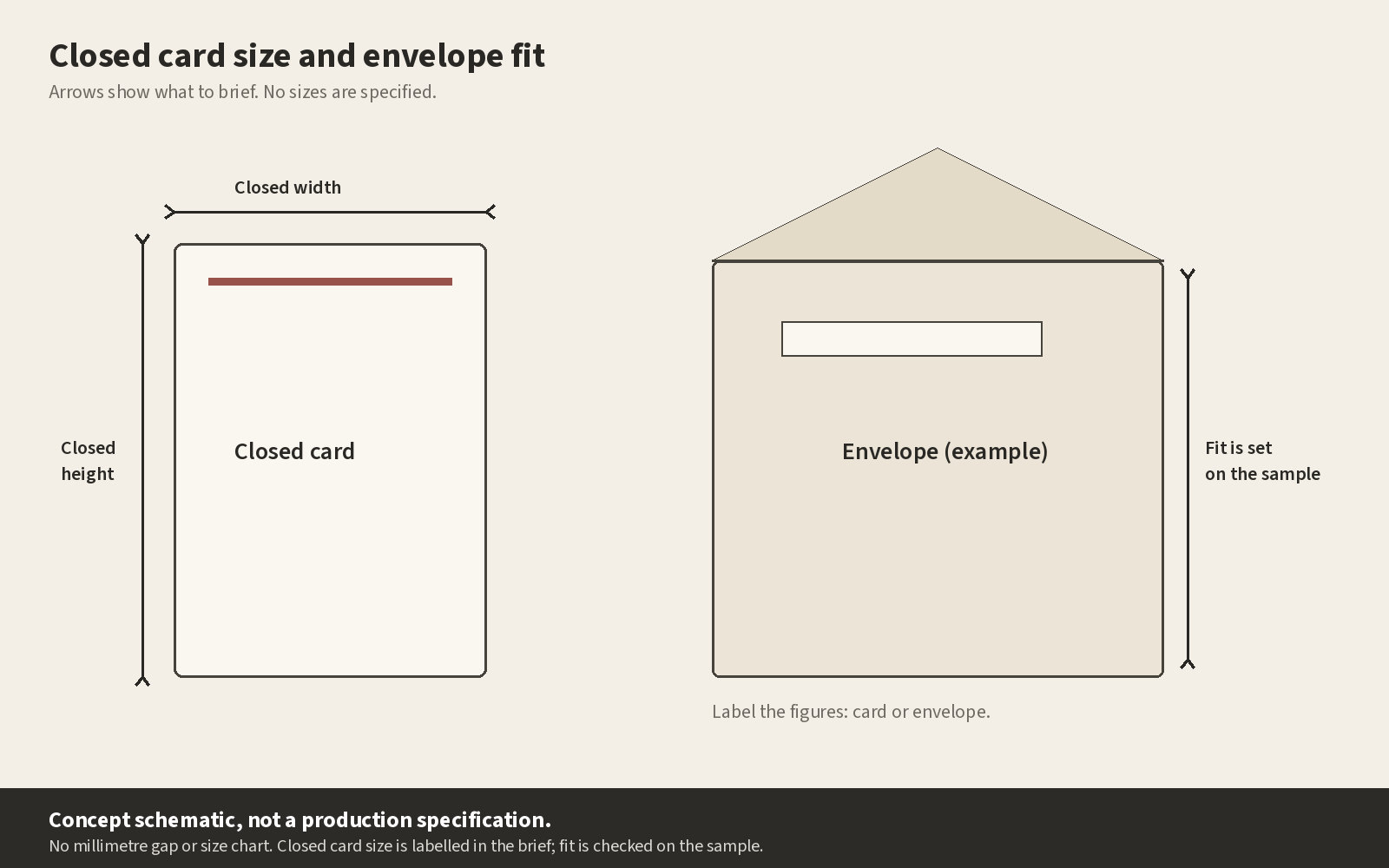


Custom packaging for small businesses should be selected based on the product, packaging structure, order volume, shipping method, storage requirements, and brand positioning. Common options include custom paper bags, folding cartons, rigid boxes, gift packaging, inserts, and branded cards. The right solution balances product protection, packaging cost, storage efficiency, fulfillment requirements, and brand presentation. A practical system may combine paper bags, folding boxes, gift boxes, and cards instead of forcing every product into one expensive format. The goal is reliable protection and recognizable presentation that can grow as the brand grows.

What Small Brands Need From Custom Packaging
Protect the Product Without Overbuilding
Small brands need packaging that protects the item without creating unnecessary material, storage, or assembly work. A folded garment, skincare set, food gift, or accessory each places different demands on size, opening width, base stability, inserts, and closure style. The right structure should minimize material and dimensional waste while meeting the required protection, compression, handling, stacking, and transit-performance requirements.
Create Recognition Across Every Order
Brand recognition comes from repeatable decisions around substrate color, brand color palette, logo placement, typography, print specifications, and finishing specifications. A paper bag can serve as a prominent retail brand touchpoint, while the box and greeting card contribute to the product presentation and unboxing experience.
Choosing Packaging Formats by Product Type
|
Application |
Suitable Packaging |
Key Considerations |
|---|---|---|
|
Apparel |
Folding carton, garment box, paper bag |
Garment dimensions, GSM, handles |
|
Beauty |
Rigid box, folding carton, insert box |
Bottle fit, inserts, product movement |
|
Jewelry |
Rigid box + insert |
Cavity, retention, EVA/foam |
|
Gifts |
Rigid gift box, magnetic box, drawer box |
Unboxing, finishing, inserts |
|
Food |
Food-contact paper packaging |
Material, grease/moisture resistance, compliance |
|
Retail |
Paper bag |
GSM, gusset, handle, bottom |
|
E-commerce |
Folding carton + outer shipping package |
Protection, storage, dimensional efficiency |
For e-commerce orders, the product package and outer shipping package may serve different functions. A folding carton or rigid box can present and protect the product, while a corrugated shipping carton or mailer may provide additional protection during parcel transportation.
Managing Small-Batch Customization
Digital Printing for Short Runs and Pilot Production
Digital printing is well suited to short-run production and variable or frequently updated artwork. For small-batch projects, HangPeng offers digital and hybrid printing options, with minimum quantities varying by product type and customization level. Selected standardized structures with customized printing can start from around 100–500 units, while certain digital-printing projects may support quantities as low as 50 pieces.
Standard Structures With Custom Details
Small brands do not necessarily need a fully bespoke structural design to achieve differentiated packaging. A standard folding or gift-box structure can be differentiated through a custom size, window, handle, insert, color, or carefully selected finish. This approach can reduce design complexity while keeping the customer experience clearly branded.
Packaging for Different Online Product Categories
Apparel, Beauty, and Accessories
Apparel needs enough opening width and depth for folded products, while beauty sets often require trays or dividers to separate bottles and accessories. Jewelry and small accessories benefit from controlled internal movement and a clear opening sequence. The sample should be filled with the actual product and protective materials before final approval.
Food, Gifts, and Seasonal Product Sets
Food and bakery products require packaging that matches the product and handling conditions. Gift and seasonal sets may combine boxes, bags, cards, and several product sizes. A properly engineered base construction and internal retention system can reduce product movement during fulfillment and transit.
Designing for Shipping and Storage
Match Size to the Product
A package that is much larger than its contents can increase movement, void space, and storage pressure. A package that is too tight may damage corners or make packing slow. Custom dimensions, side gussets, inserts, and dividers should reflect the complete order rather than the product alone.
Balance Protection and Storage Volume
Flat or folding formats can reduce unused storage volume before packing, while rigid boxes may provide a stronger premium presentation after assembly. The best choice depends on available space, product fragility, packing workflow, and customer expectations.
Building a Consistent Brand System
Coordinate Bags, Boxes, and Cards
A custom paper bag can support retail carryout, while a box can protect and present the product and a greeting card can reinforce the brand message. Coordinating dimensions, artwork, and finish choices helps an e-commerce brand maintain a consistent and professional packaging system across different SKUs.
Use Finishes Where They Add Meaning
Offset, flexographic, and digital printing can support different artwork and quantity needs. Foil stamping, embossing, debossing, spot UV, lamination, die-cutting, and window patching can create visual differentiation, but they should support the brand and remain clear of folds, closures, and high-contact areas.
How HangPeng Supports Small Business Packaging
Packaging Design, Digital Mockups, and Prototyping
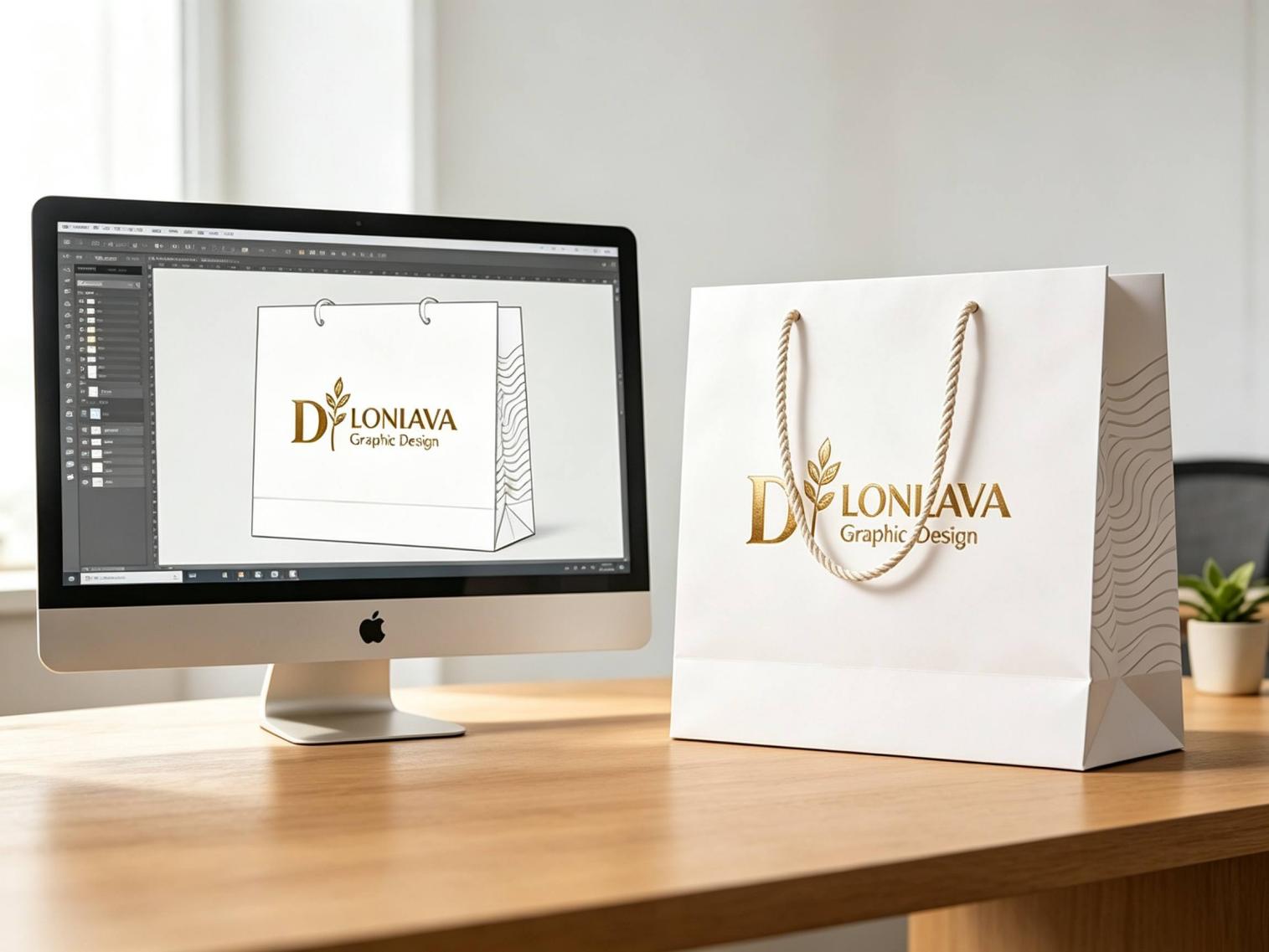
HangPeng supports custom dimensions, materials, structures, windows, inserts, dividers, printing, and finishing. Digital 2D or 3D samples help review proportions, artwork, folds, and openings before production. An optional physical pre-production sample can be produced for fit, material, color, structural integrity, and handling performance before mass production.
Printing, Post-Press Finishing, and Assembly
HangPeng supports offset, flexographic, and digital printing together with die-cutting, lamination, foil stamping, embossing, debossing, spot UV, box gluing, bag making, and assembly. HangPeng’s packaging solution process connects design decisions with practical production review, while its services support sampling and finished-package checks.
How to Choose a Packaging Solution
Review Product Fit and Customer Handling
Review product dimensions, packed weight, center of gravity, edge sensitivity, opening method, handling sequence, storage conditions, distribution channel, and transit environment. Evaluate the filled package under realistic handling conditions, including lifting, carrying, opening, closing, loading, unloading, and repeated handling.
Confirm Repeatability Before Scaling
Before expanding an order, confirm that artwork remains aligned, inserts fit consistently, handle attachment is secure and the handle construction is appropriate for the intended load. A repeatable structure helps a small brand maintain quality as order volume, product variations, or seasonal artwork change.
Conclusion
Custom packaging for small businesses and e-commerce brands works best as a flexible system rather than a single decorative item. By matching bags, boxes, cards, materials, inserts, printing, and storage requirements to the product, a growing brand can protect orders and create a consistent customer experience.
Explore HangPeng’s services to develop custom packaging that fits your products, order volume, and next stage of growth.
FAQ
Q: What is the best custom packaging for a small business?
A: The best format depends on the product, shipping method, order size, storage space, and brand positioning. Many small businesses combine paper bags, folding boxes, gift boxes, and cards. A sample filled with the actual product helps confirm protection, fit, handling, and presentation before the packaging is repeated.
Q: Should an online brand use paper bags, boxes, or both?
A: Use the format that matches the product and customer journey. Boxes protect and organize items during shipment, while paper bags support retail handover or local delivery. Using both can create a complete experience when dimensions, artwork, and finishes are coordinated rather than added without a clear purpose.
Q: How does HangPeng help small brands develop custom packaging?
A: HangPeng can coordinate custom dimensions, paper and board choices, box structures, bags, inserts, windows, printing, finishing, and assembly. Digital 2D or 3D samples help review the design, and an optional physical sample supports fit and handling checks before production decisions are finalized.