

Brand identity packaging turns a brand’s visual identity into physical packaging through materials, structures, printing, and finishing. Effective branded packaging does not require every paper bag, gift box, greeting card, or label to look identical. Instead, it creates a consistent visual system while allowing each packaging format to meet its own functional requirements.
For brands working with a custom packaging manufacturer, this means coordinating logo usage, colors, typography, materials, dimensions, printing, finishing, and structural design from the beginning.
HangPeng provides custom packaging and OEM/ODM solutions for products including paper bags, gift bags, kraft paper bags, wine bags, garment bags, cardboard boxes, and greeting cards. Custom sizes, materials, printing, and finishing can be developed according to project requirements.
What Is Brand Identity Packaging?
Brand identity packaging is the physical application of a brand’s visual system to packaging. It connects elements such as:
Logo and logo hierarchy
Primary and secondary colors
Typography
Graphic patterns and imagery
Spacing and alignment
Packaging materials
Printing and finishing
A paper bag may use the primary brand color and logo, while a rigid gift box may introduce foil stamping or embossing. A greeting card can then repeat the same typography and secondary graphic elements.
Build the Brand System Before Packaging Design
Define Colors, Typography, and Logo Usage
Before preparing packaging artwork, establish the brand elements that must remain consistent. These may include primary and secondary colors, logo versions, minimum clear space, typography hierarchy, imagery, and graphic patterns.
A packaging brief should also identify which elements are fixed and which can change between product lines or campaigns. This prevents decorative elements from overpowering the core brand identity.
Separate Essential Elements From Decoration
A logo, brand color palette, and information hierarchy usually carry more brand recognition than seasonal graphics or metallic accents.
Treat these core elements as the stable foundation. Patterns, illustrations, ribbons, windows, and campaign graphics can then be adapted according to the packaging format.
This approach allows brands to introduce new packaging variations without rebuilding their visual identity for every product launch.
How Materials Affect Packaging Color
The same artwork can appear differently depending on the substrate, paper stock, printing method, and surface finish.
Kraft Paper vs. White and Coated Paper
Kraft paper has a natural brown base that can make colors appear warmer and less saturated. White and coated paper generally provide a more neutral surface for bright graphics.
Uncoated and textured papers can also affect contrast, fine details, and ink appearance. For this reason, brand colors should be reviewed on the intended packaging material rather than approved only from a computer screen.
Common packaging substrates include kraft paper, recycled paper, coated paper, art paper, specialty paper, and paperboard.
CMYK and Pantone Spot Colors
Color specifications should be defined according to the printing process and required level of consistency. Depending on the project, packaging artwork may use CMYK process colors or Pantone spot colors.
HangPeng lists offset printing with four-color and Pantone spot-color options for applicable products. When color accuracy is important, artwork proofs or physical samples should be reviewed under consistent lighting before mass production.
Adapt Brand Identity to Different Packaging Formats
Custom Paper Bags
Paper bags are viewed from multiple angles and may include front and back panels, side gussets, handles, and reinforced bottoms.
When developing branded paper bags, consider:
Bag width and height
Logo scale and position
Side-gusset artwork
Paper grammage
Handle construction
Bottom reinforcement
Load-bearing capacity
Viewing distance
Twisted paper handles, flat handles, cotton cords, and ribbons can create different visual effects, but the handle position should not interfere with the primary logo or important artwork.
Gift Boxes and Cardboard Boxes
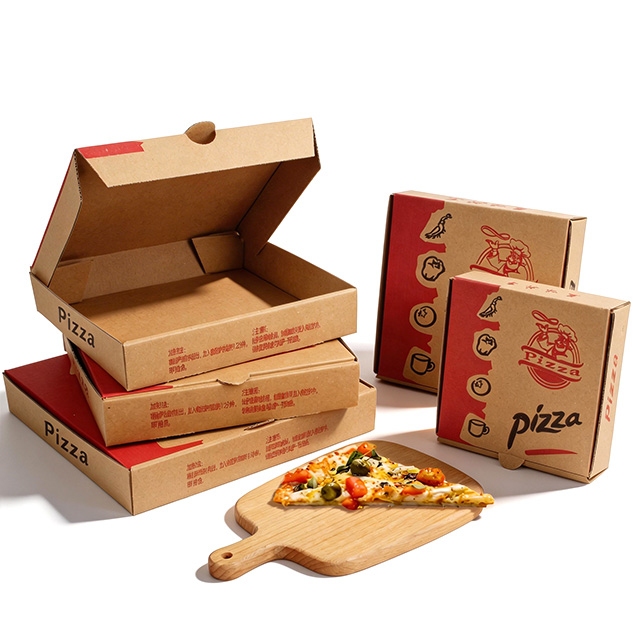
Various box designs offer unique chances to build your brand. You will find several popular styles in the market today. These options include rigid boxes and folding cartons. Drawer boxes are also quite standard. Furthermore, many brands choose magnetic-closure boxes or simple two-piece boxes.
Placing a logo right in the middle looks great on a rigid box lid. On the other hand, a drawer box offers more space. It allows you to stretch your brand’s visual theme. This design easily covers both the outer sleeve and the inner tray.
Designers must plan packaging artwork carefully. They need to focus on the specific dieline and the physical shape of the item. You should always review key details before mass production begins. These details involve logos, printed patterns, and paper folds. It is also vital to check seams, closures, clear windows, and any special finishing areas.
Greeting Cards and Packaging Inserts
Greeting cards, product inserts, and envelopes do more than just hold items. They actively push your brand identity far beyond the primary packaging.
These printed materials need to feature matching fonts, color schemes, and design layouts. At the same time, they must stay flexible enough to display unique details for different items.
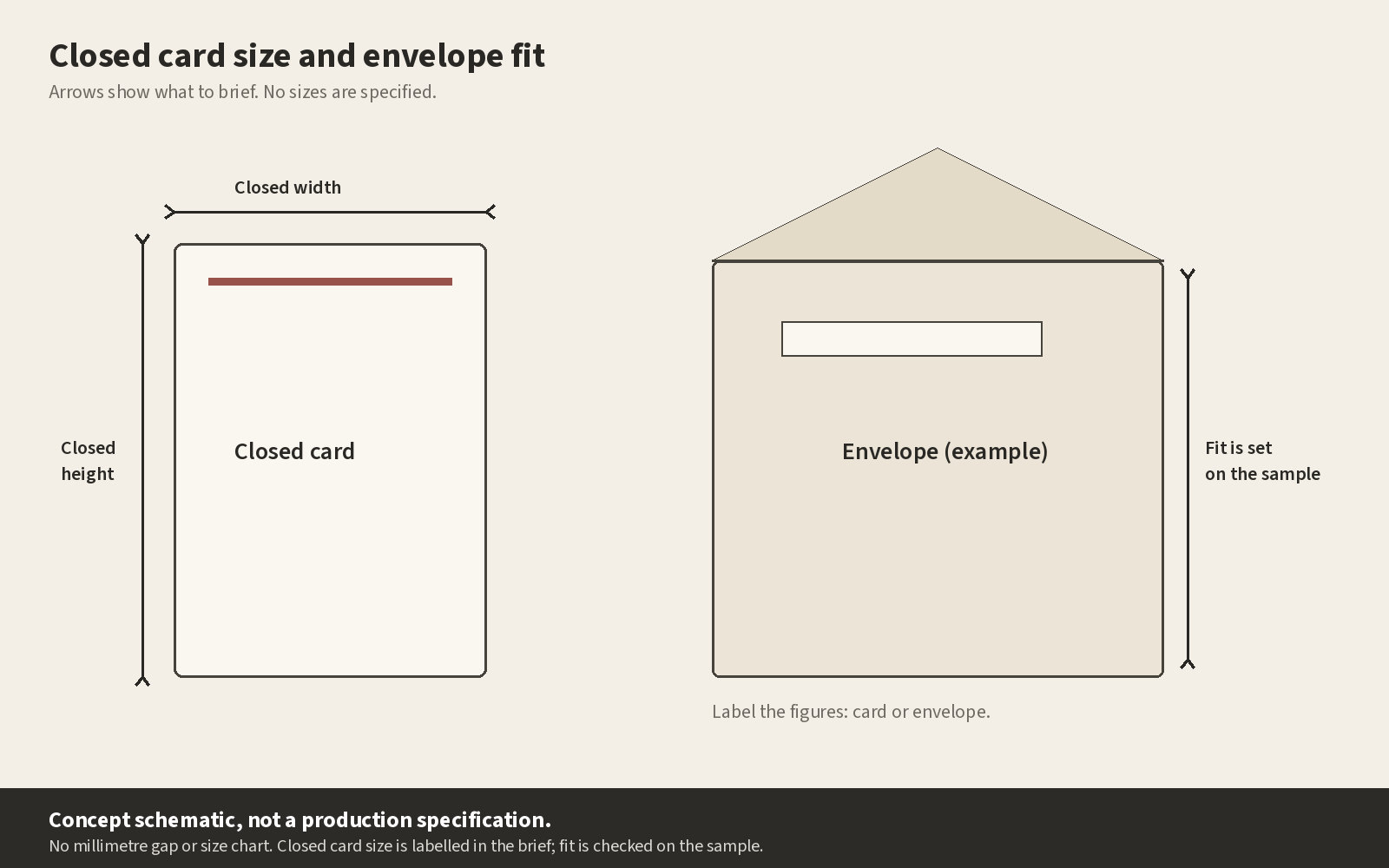
HangPeng supplies tailored greeting cards to meet your exact business needs. Buyers can choose from various custom sizes, unique text messages, and special envelope liners. Furthermore, we provide full printing services alongside complete OEM/ODM customization.
Use Labels for Flexible Product Information
Packaging labels allow brands to add product-specific information without redesigning the entire package.
Labels may contain:
Product names and variants
Ingredients
Care instructions
Barcodes
Batch information
Campaign messages
Promotional information
Labels should follow the main packaging system’s typography, spacing, and color hierarchy while remaining easy to read.
Before production, confirm the label substrate, adhesive type, surface compatibility, application temperature, moisture exposure, and expected handling conditions.
Packaging Printing and Finishing Options
Printing and finishing can reinforce brand identity when selected according to the substrate, artwork, and packaging structure.
Foil Stamping
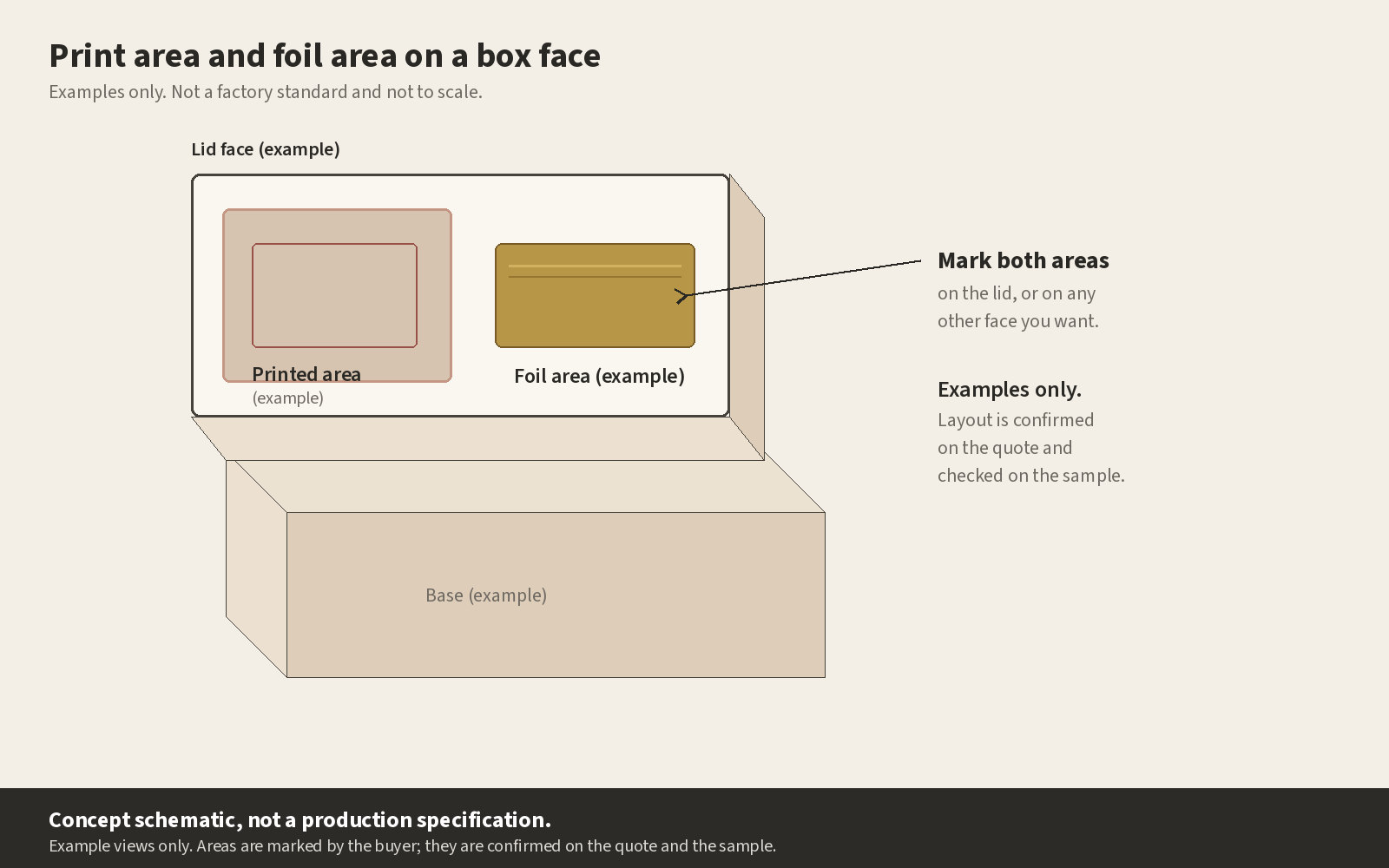
Foil stamping produces a bright metallic finish or a unique specialty-film appearance. You can easily apply this method to company logos and brand names. Furthermore, it works perfectly for borders and other decorative elements.
You must check detailed artwork very carefully. Please review these designs against the chosen base material. It is also important to consider all folds, edges, and die-cut sections. This careful check ensures a clean and accurate final print.
Embossing and Debossing
Embossing creates a raised effect, while debossing creates a recessed effect. Both can add tactile depth to logos, patterns, and selected graphic elements.
Before production, review substrate thickness, artwork scale, fine details, and clearance from folds and die-cut areas.
Spot UV and Lamination
Spot UV coating adds localized gloss to selected areas such as logos, patterns, or product names.
Lamination can also change the appearance and handling characteristics of packaging. Common options include matte, gloss, and textured lamination.
The final finish should be evaluated together with the printed artwork because surface treatments can affect color, contrast, and perceived texture.
Die-Cut Windows
Die-cut windows allow customers to see part of the product without opening the package.
Window design should consider the opening size, position, die-cut shape, transparent film, attachment method, product visibility, and surrounding artwork. The window should support product presentation without weakening the package structure.
Brand Packaging by Product Category
Different products require different combinations of structure and materials.
Beauty, Jewelry, and Gifts
Beauty and jewelry packaging often uses rigid boxes, drawer boxes, magnetic closures, trays, dividers, or product-specific inserts. The exterior can remain visually clean while the internal structure secures the product.
Apparel and Retail
Apparel packaging may require larger paper bags, appropriate handle construction, suitable paper grammage, gussets, and reinforced bottoms. Retail packaging may also combine bags, boxes, cards, labels, and inserts into one coordinated system.
Food and Coffee
Food packaging requires material and barrier properties appropriate to the application. Depending on the product, requirements may include moisture resistance, oxygen barrier properties, aroma retention, oil resistance, heat sealing, and suitable food-contact materials.
HangPeng’s food packaging solutions include options such as PLA, PE, aluminum-free barrier films, one-way coffee valves, oil-resistant treatments, and customizable heat-seal areas for applicable applications.
Wine Packaging
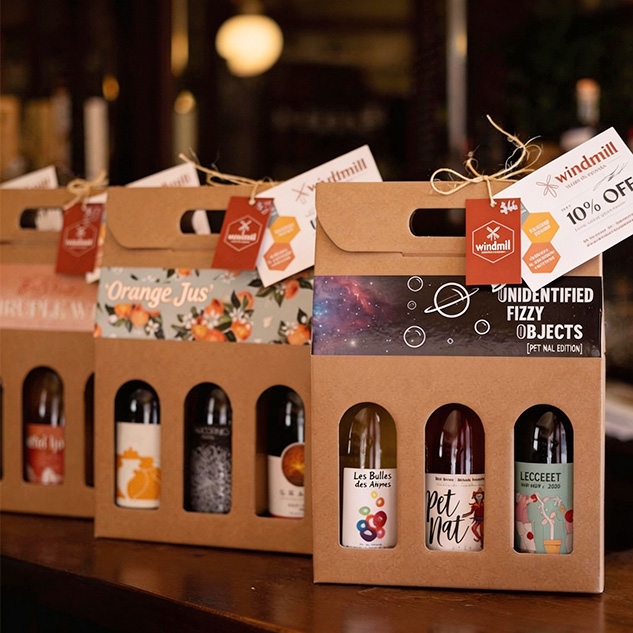
Wine bags should be designed according to bottle height, diameter, weight, handle construction, and bottom reinforcement. Multi-bottle formats may also require dividers or internal inserts for improved stability.
How HangPeng Supports Custom Branded Packaging
HangPeng is a custom packaging manufacturer providing packaging products and OEM/ODM solutions for different applications.
Its published product range includes greeting cards, cardboard boxes, festival gift bags, garment bags, kraft paper bags, and wine bags. Customization can include dimensions, paper specifications, artwork, printing, and finishing according to the product and project requirements.
Available options for applicable products include offset printing, Pantone spot colors, lamination, foil stamping, embossing, debossing, spot UV, and die-cut features.
For packaging projects requiring several coordinated components, specifications should be reviewed together to ensure that materials, dimensions, artwork, and finishing create a consistent packaging system.
Packaging Quality Control Before Mass Production
Before production, review both the visual identity and physical performance of the packaging.
Check Color and Logo Placement
Confirm:
Color relationships
Logo contrast and clear space
Artwork scale
Print registration
Distance from folds and edges
Clearance around windows and handles
Finishing positions
Where color consistency is important, physical proofs or samples provide a more reliable reference than screen-based approval alone.
Test Product Fit and Function
Where appropriate, place the actual product inside the package and check product fit, dimensions, closure performance, insert positioning, carrying strength, and overall presentation.
For bags and boxes carrying heavier products, structural strength and load-bearing requirements should be confirmed before mass production.
Conduct a cross-component packaging review. The objective is not to make every component identical, but to ensure that typography, colors, logo hierarchy, spacing, and finishing work together as one brand system.
Conclusion
Effective brand identity packaging combines visual consistency with practical packaging requirements.
Whether you need custom paper bags, kraft bags, gift boxes, wine bags, garment bags, greeting cards, or other printed packaging, HangPeng can support projects involving customized dimensions, materials, printing, finishing, and OEM/ODM requirements.
Contact HangPeng to discuss your custom packaging project and develop packaging that aligns your brand identity with product, material, and production requirements.
FAQ
Q: What is brand identity packaging?
A: Brand identity packaging is the physical application of a brand’s visual identity to packaging materials and structures. It connects logo usage, colors, typography, imagery, and spacing with formats such as paper bags, gift boxes, greeting cards, and labels.
Q: How can brands keep packaging colors consistent?
A: Define color specifications according to the substrate and printing method. Kraft, coated, uncoated, and textured papers can reproduce the same artwork differently. CMYK specifications, Pantone spot colors, proofs, and physical samples can help improve consistency.
Q: Can HangPeng customize packaging sizes and materials?
A: Yes. HangPeng provides customized packaging solutions, including custom dimensions, paper specifications, printing, finishing, and OEM/ODM services for applicable products.