

A buyer once showed me her Christmas set. The box came from one supplier, the cards from another, the wrapping paper from a third. Each piece looked fine alone. Together, the reds were three different reds. The card didn’t fit the lid. The paper tore on the box corners.
She didn’t need better parts. She needed them planned as one set.
That’s most of our holiday work at HangPeng: gift box, greeting card and wrapping paper designed together, printed together and shipped in one container. Here’s how we put a set like that together.
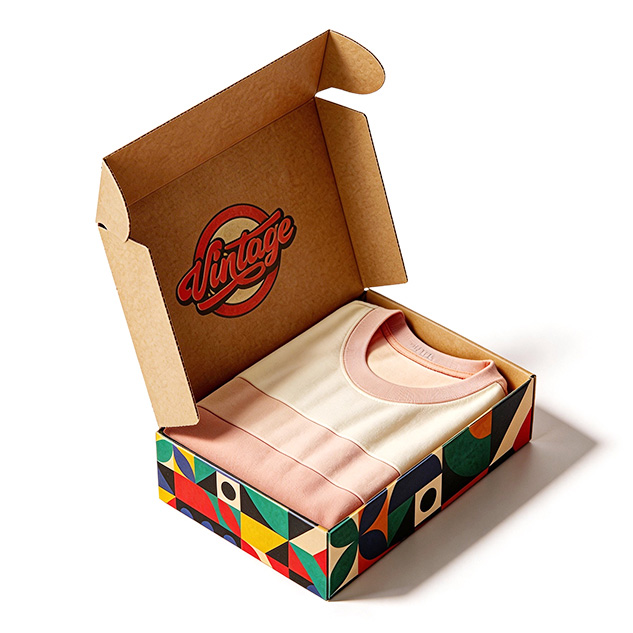
Plan the Card First, Not Last
Most buyers pick the box first and add the card at the end. Flip it.
The card is the part people keep. It’s the part with the message. And it’s the part that sets the size rules for everything else.
Pick the card stock
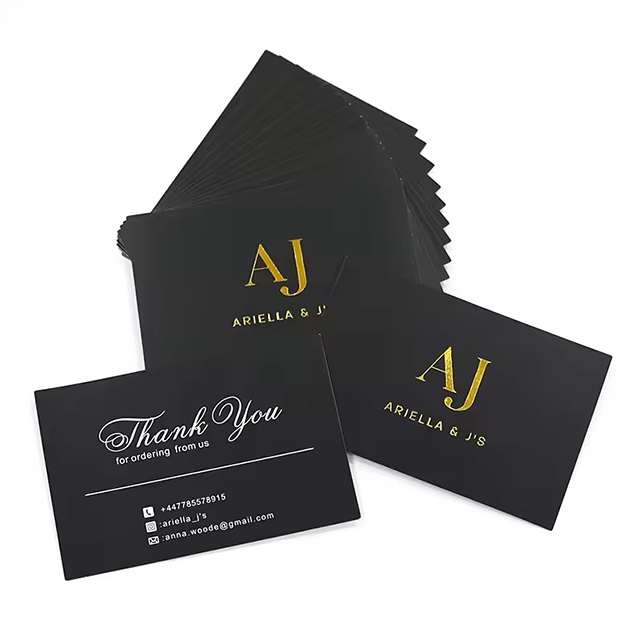
Our festival cards print on 250–350 gsm art paper, recycled kraft or coated paper. Corporate cards go heavier, at 300–400 gsm. A heavier card feels more serious in the hand. That suits a client thank-you more than a stocking filler.
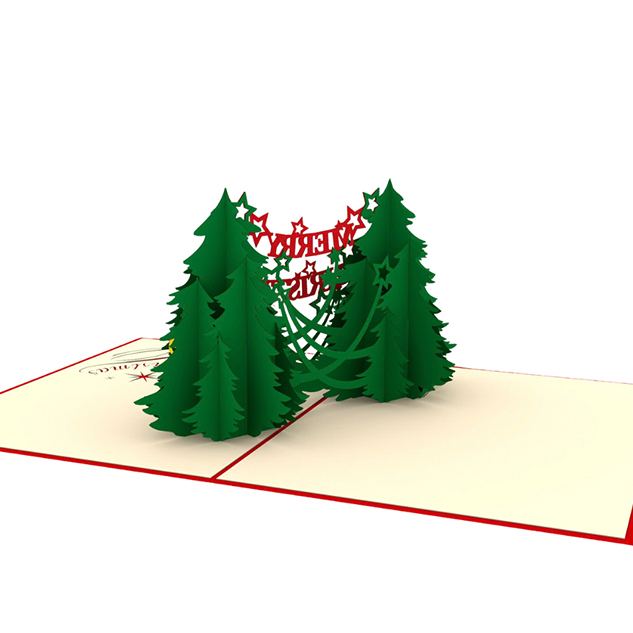
Want the card to be the hero? Look at a pop-up card. Ours use 300 gsm art paper for the pages and 1200 gsm grayboard behind the artwork. Open it and a scene stands up off the page. People photograph those and post them.
Pick the envelope
Envelopes come in white, red or kraft. Corporate cards can take a printed liner, so your pattern shows the second the envelope opens. That’s a cheap trick that looks expensive.
Then size the box around it
Decide where the card lives. Flat under the lid? In a slot on the insert? Tucked under the ribbon on the outside?
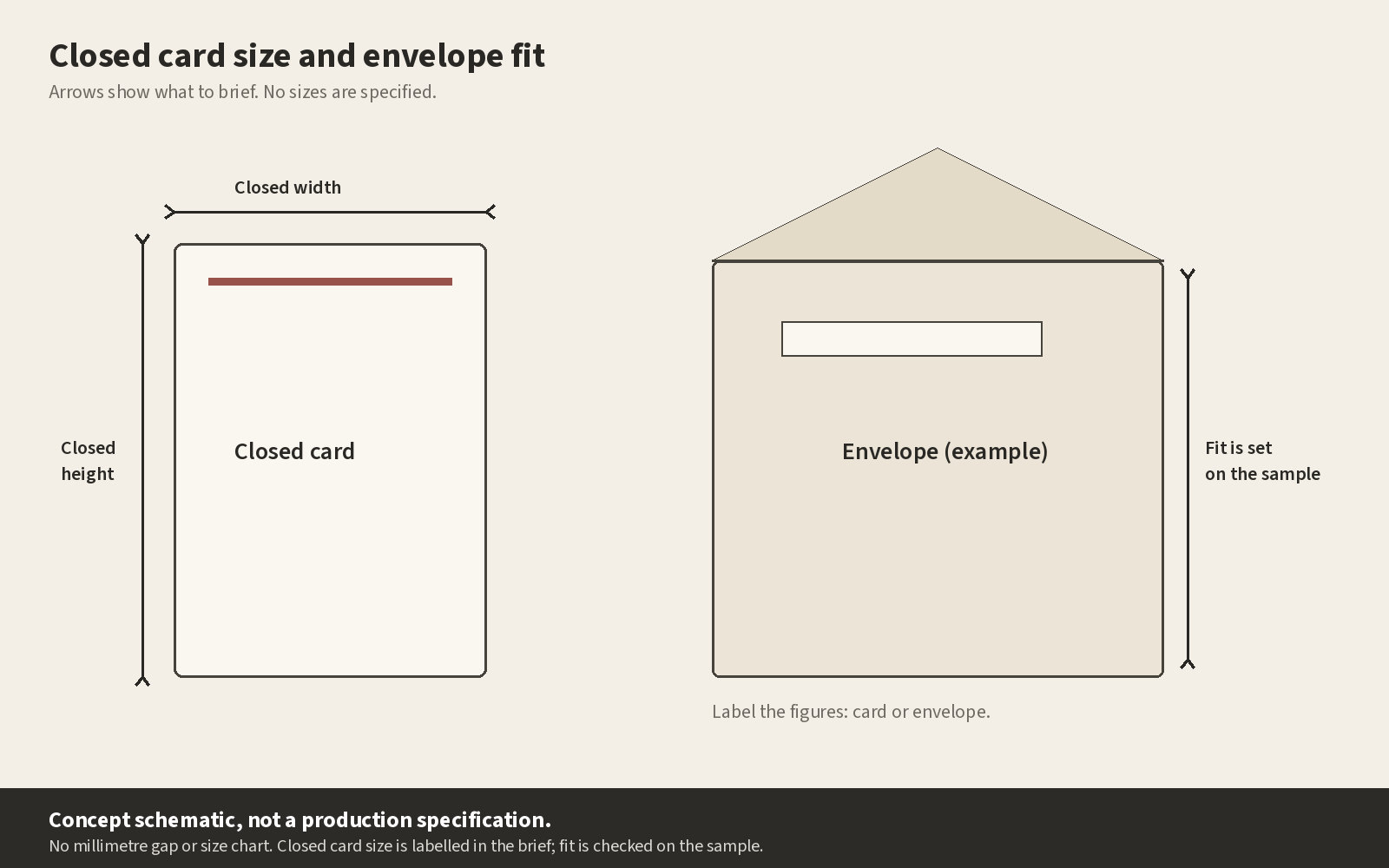
If it goes inside, the card plus its envelope has to lie flat without bending. Leave a little room on every side so the packer doesn’t have to force it. Tell us the card size before we draw the box. Changing a dieline is free on paper and costly after the die is cut.
Choose the Box
You’ve got two families.
Rigid boxes use 1200–1800 gsm grayboard wrapped in art paper or kraft. They don’t fold. They feel heavy and premium, and customers keep them. Styles include magnetic drawer, lid-and-base and book style.
Folding boxes use 350–450 gsm board. They ship flat, so freight costs far less. They suit retail sets and food gifts where the box doesn’t need to last.
For a gift set, the insert does the real work. Cardboard dividers, tissue paper or EVA foam keep the product from sliding into the card and creasing it. Tell us every item in the set and we’ll lay out the insert.
Make the Wrapping Paper Earn Its Place
Wrapping paper gets treated as an afterthought. That’s a mistake. It’s the first thing the customer sees and the first thing they tear. In a retail set, it’s often what makes people pick yours off the shelf.
We supply wrapping paper as part of coordinated sets, so the print matches the box and card. Three things to sort out early:
What is it wrapping? Paper that wraps a box by hand at the counter needs to fold into a sharp corner without cracking. Paper that only lines the inside of a box gets away with a lighter sheet. Tell us which, and we’ll pick a weight that fits. Then wrap your actual box with a sample sheet. Watch the corners. If it tears there, go up a weight.
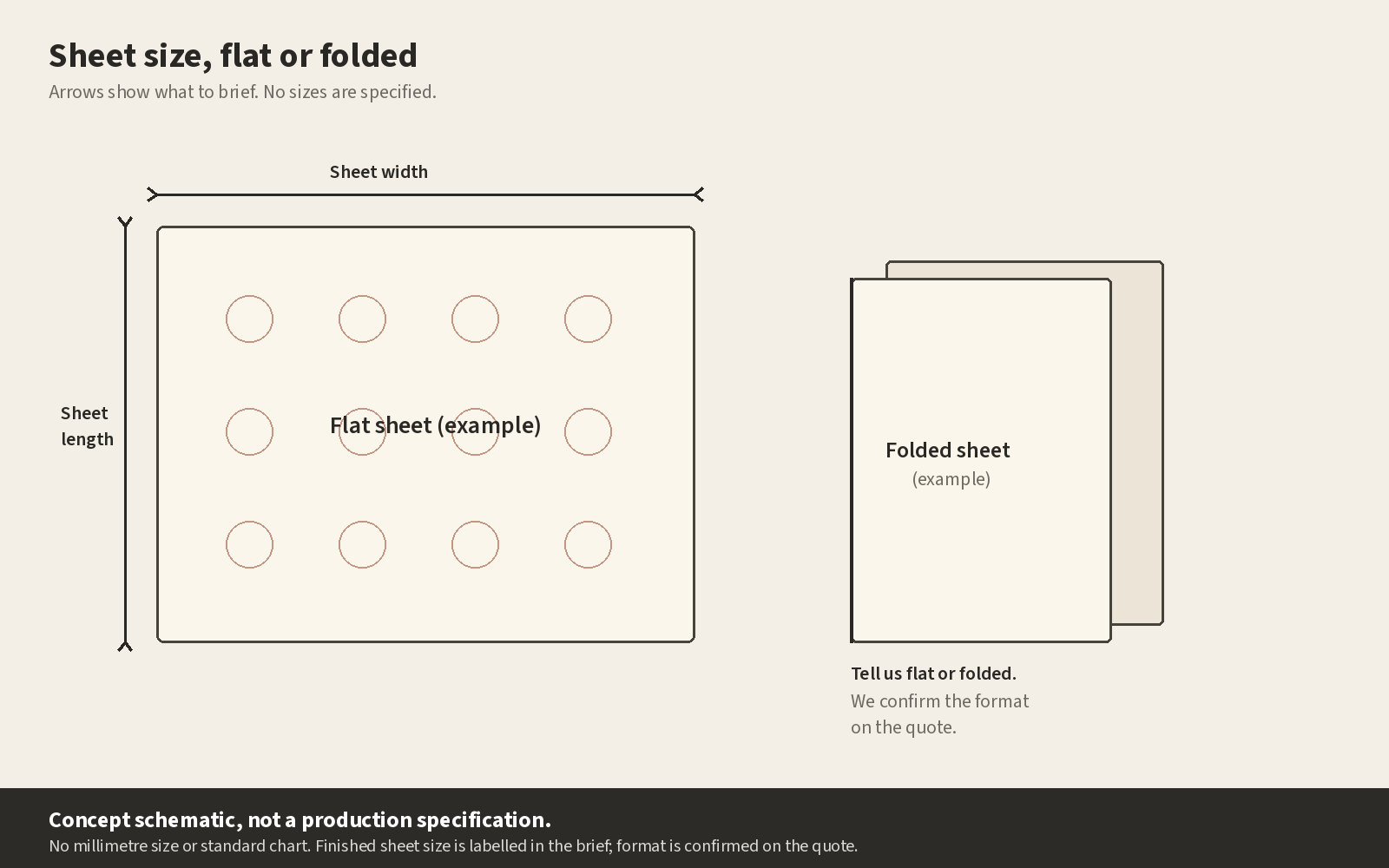
Sheets or rolls? Retail shoppers like rolls. Gift-wrap counters and pre-packed sets usually work better with cut sheets sized to the box. Cut sheets cut waste and save packing time.
How busy is the pattern? A small repeat pattern hides the seam and the folds. A big hero graphic looks great flat, then gets chopped in half on the box. Draw the pattern with the box size in mind.
Get the Colors to Match
This is where most mixed sets go wrong.
The same Pantone color prints differently on different papers. Kraft soaks up ink, so colors come out darker and duller. Coated art paper keeps them bright. Your card, your box wrap and your wrapping paper may sit on three different stocks.
So proof every material, not just one. We print a digital proof first, then a press proof, and start mass production only when you sign it off. We hold color deviation within ΔE < 5.
A simple rule: if you can’t match a color across all three papers, let one piece carry it. Gold foil on the box. A plain kraft wrap. A red envelope. Three tones that agree beat three reds that fight.
Three Sets We’d Build
Corporate client set
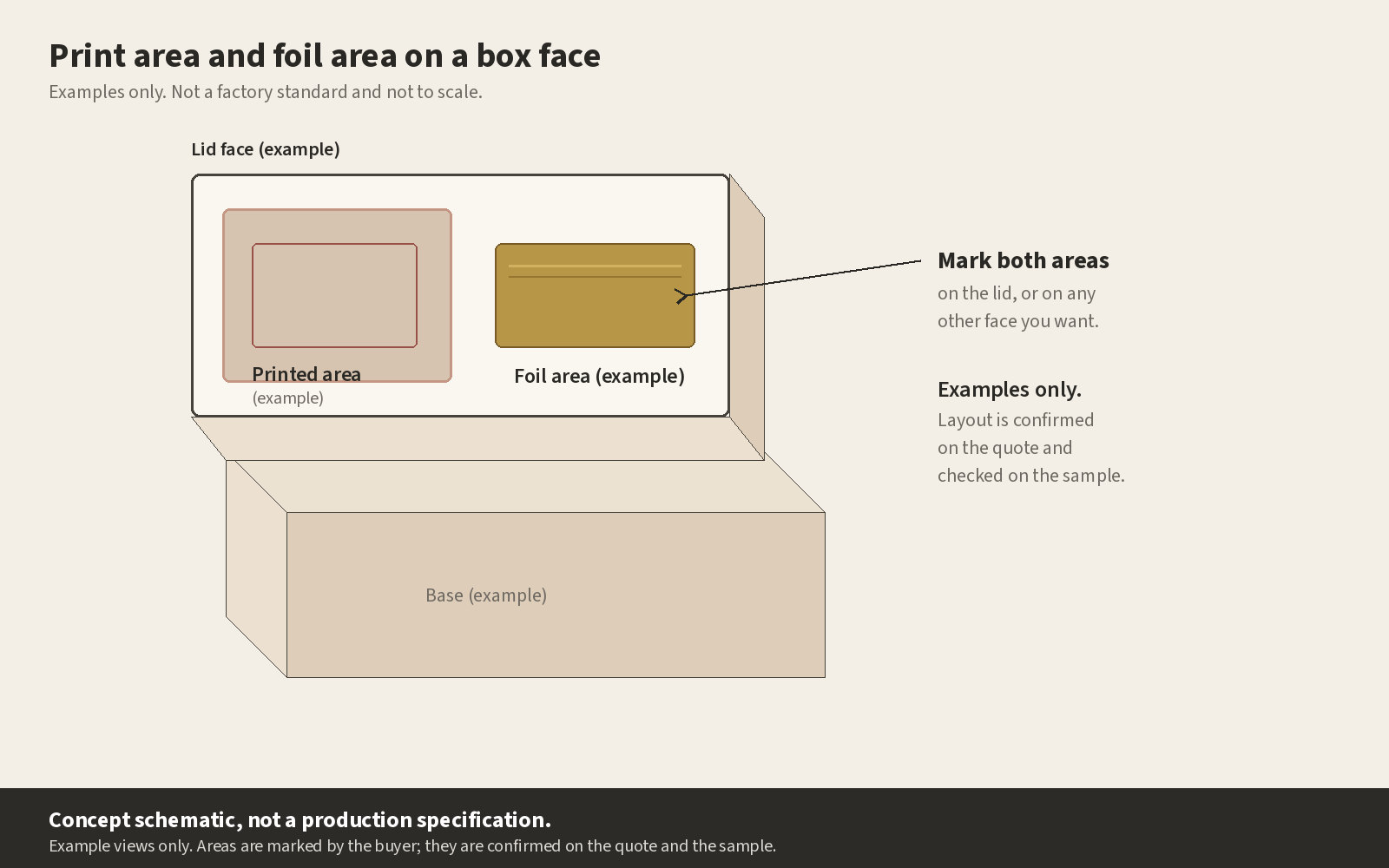
Magnetic rigid box in deep green. Gold foil logo on the lid. A 300–400 gsm card with a printed envelope liner sitting under the lid. Box goes out in a matching gift bag. No wrapping paper needed. The box is the wrap.
Retail shelf set
Folding box, so you save on freight. Patterned wrapping paper in cut sheets, matched to the box print. Stock festival card in a kraft envelope. Easy to price, easy to stack.
Bakery or food gift set
Lid-and-base box with a tissue paper lining. Small card tucked under the ribbon. Kraft wrapping paper for a rustic look. Simple and warm, and it photographs well.
MOQ and Timing
Every part has its own minimum.
| Part | MOQ (from our product pages) | Production time |
|---|---|---|
| Rigid gift box | 1,000 pcs | 15–20 days after sample approval |
| Folding box (digital) | 200–500 pcs | 15–20 days after sample approval |
| Festival greeting card | 1,000 per design (300 for stock designs) | 15–20 days after sample approval |
| Corporate greeting card | 500 per design | 15–20 days after sample approval |
| Pop-up card | 1,000 pcs | 15–20 days after sample approval |
| Wrapping paper | Ask us | Ask us |
The slowest part sets the schedule. Plan around it.
We can also do the assembly in our factory. Liners, ribbons and cards go into the box before it ships, so the set arrives ready for retail. That saves local labour and avoids a packing line at your end.
For Christmas, book production four to six months ahead. That locks in paper prices and a slot on the line before the rush. Our library has over 100 seasonal designs if you need a starting point.
Before You Send the Inquiry
Have these ready:
Every item that goes in the set, with sizes
Where the card sits
Wrapping paper: sheets or rolls, and what it wraps
Your Pantone colors
Quantity per design
Your in-store date
Send that to the HangPeng team and we’ll come back with one quote for the whole set, not three quotes that don’t line up.